
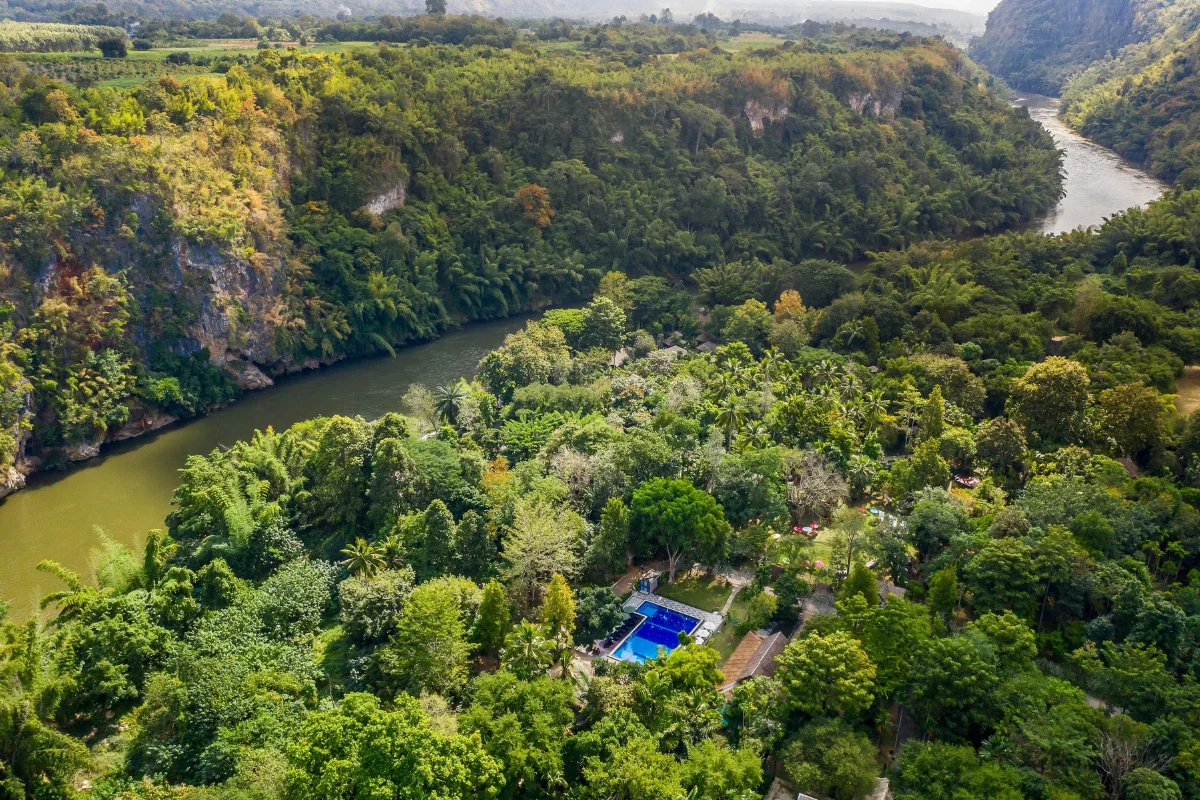
The Kwai Noi River is far more than an aqueous waterway carving through the western wilderness of Thailand; it is an enduring historical and cultural artery that binds human civilization to the sheer abundance of nature. Flowing gracefully through the rugged limestone mountain ranges and verdant tropical forests of Kanchanaburi’s Sai Yok district, the riverbanks serve as the ancestral homeland for the Mon community. These resilient people have immaculately preserved their ethnic identity, traditional customs, language, and eco-centric riverine lifestyle for generations. For discerning global travelers seeking genuine cultural authenticity, journeying along the Kwai Noi River to witness this living heritage represents a world-class pilgrimage and an absolute “must-visit” experience that articulates the profound harmony between humankind and the natural world.
Immersing oneself in this captivating riverine lifestyle requires a sanctuary that deeply respects its surrounding environment and cultural heritage. We invite you to experience River Kwai Resotel, an exceptional boutique eco-resort nestled dramatically along the banks of the Kwai Noi River, framed by vertical limestone cliffs and dense tropical canopy. Operated by the prestigious SERENATA Hotels & Resorts Group, this distinguished property breathes life into the brand’s positioning of Quiet Luxury—an elegance that is serene, sophisticated, and never boastful. Building upon a proud heritage as an eco-lodge pioneer since 1976, River Kwai Resotel delivers deeply Restful & Restorative Experiences, exemplifying the group’s enduring motto: “Beyond Stay, Memorable Journey.”

The Riverine Identity: Mon Heritage and Harmony with the Water
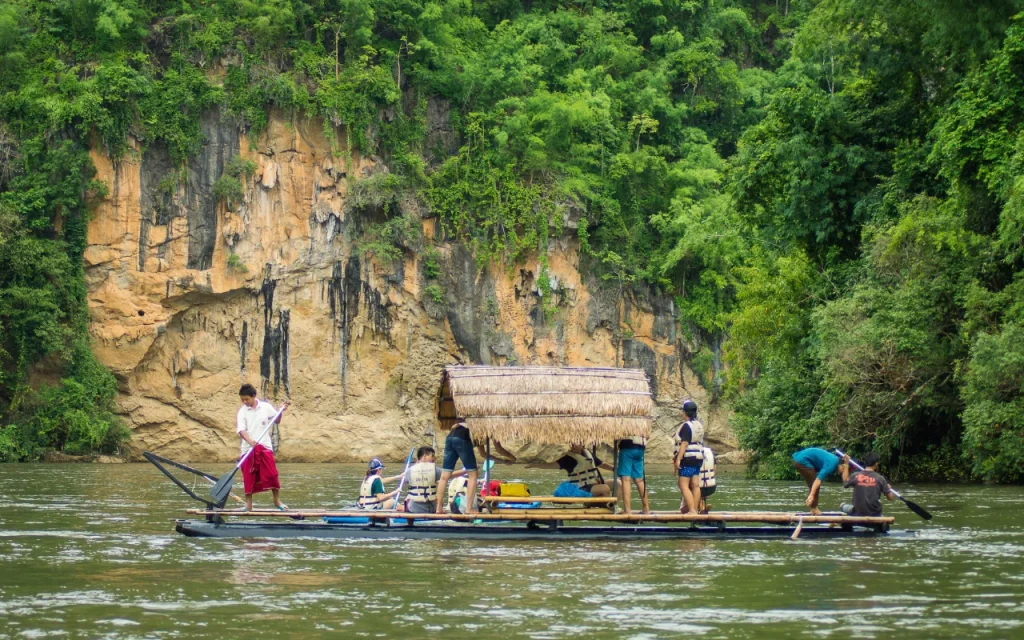
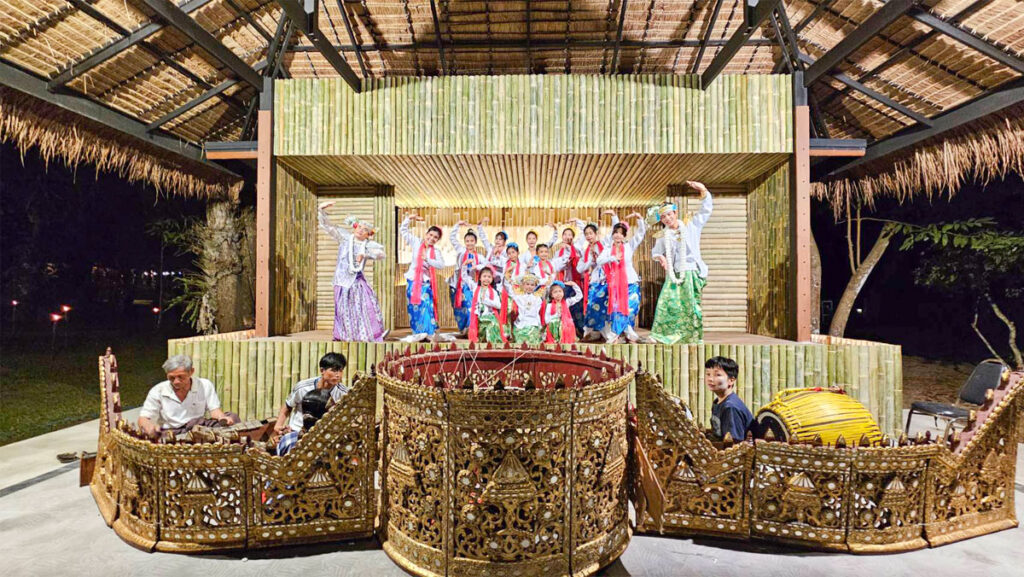
Navigating upstream along the Kwai Noi River reveals an unhurried, serene lifestyle practiced by the traditional Mon community, who migrated across the western borderlands centuries ago to live in peaceful sanctuary under Thai royal patronage. To the Mon people, the Kwai Noi River is the absolute center of their universe—serving simultaneously as their primary life source, transportation network, and sacred spiritual domain.
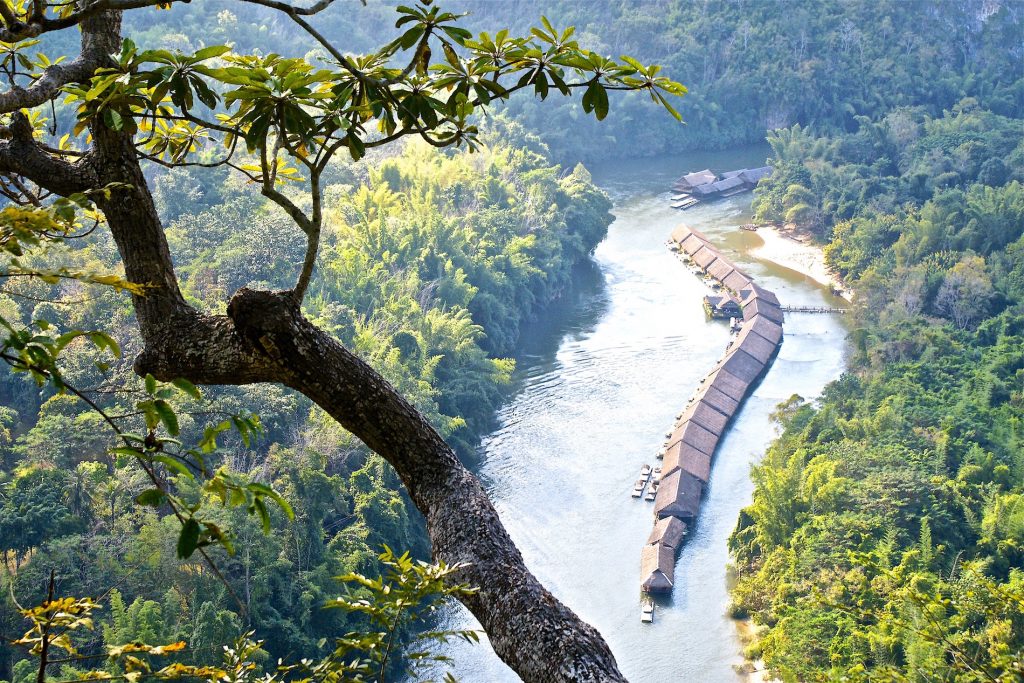
- Bamboo Vernacular Architecture & Floating Sanctuaries: Traditional Mon dwellings are constructed entirely from locally harvested, renewable materials—primarily bamboo and golden teakwood. Houses are elevated on sturdy wooden stilts to mitigate seasonal flooding and protect against dampness, while roofs are woven from natural thatch or nipa palm leaves, ensuring natural thermal insulation and cooling airflow throughout the day. Furthermore, a section of the community resides on traditional floating bamboo rafts anchored directly to the riverbanks, illustrating an ingenious architectural adaptation that rises and falls in rhythm with the river’s seasonal currents.
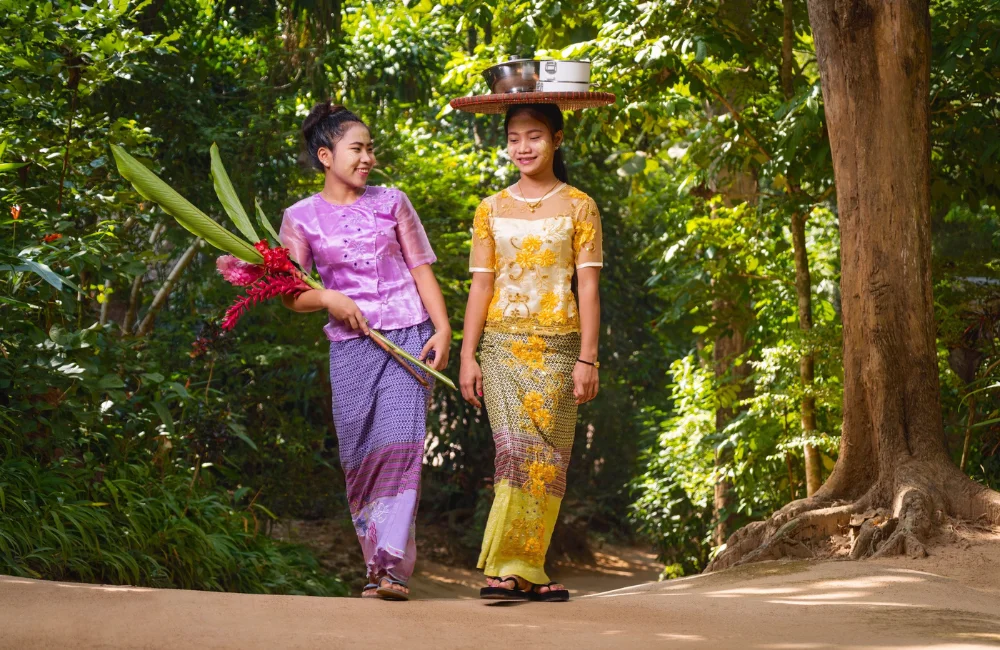
- Distinctive Sartorial Identity & Language: The Mon community proudly preserves its distinct ethnic heritage through daily attire. Mon women gracefully wear hand-woven sarongs featuring intricate regional patterns, paired with long-sleeved blouses and traditional neat hair buns. Mon men dress in comfortable checkered sarongs (longyis) and collarless cotton shirts. Within the village, the indigenous Mon language remains the primary medium of daily communication, while standard Thai is spoken with warm, genuine smiles when welcoming visitors to their riverside home.
- Devout Theravada Buddhism & Ancestral Reverence: The spiritual foundation of Mon society is deeply rooted in Theravada Buddhism, harmoniously intertwined with traditional ancestral reverence. Each morning at dawn, villagers prepare fresh alms (Jang-han) to offer to Buddhist monks residing at the local monastery. This profound devotion is visibly monumented by the “Golden Rock Pagoda”—a sacred riverside replica of the miraculous Kyaiktiyo Pagoda in Myanmar—built by the community as a beacon of spiritual protection, faith, and daily veneration.
Indispensable Cultural, Historical, and Geological Landmarks
To fully comprehend the historical depth and natural magnificence of the Kwai Noi River valley, visitors should dedicate time to exploring the monumental cultural, historical, and geological sites located in immediate proximity to River Kwai Resotel:
1. Traditional Mon Village & Mon Temple (Wat Sao Hong)
- Overview & Highlights: Located just a short walk or a gentle boat ride from the resort, the traditional Mon Village offers an authentic glimpse into an unhurried communal lifestyle completely isolated from urban noise pollution. Crossing the scenic bamboo suspension bridge over the river brings visitors to a peaceful settlement featuring the local village school, traditional handicraft workshops, and the revered Mon Temple. The temple grounds are instantly recognizable by the towering Hongsa (mythical swan) pillar standing proudly before the main wooden vihara—the supreme auspicious symbol of the Mon ethnicity. The interior is adorned with exquisite traditional Mon woodwork and sacred iconography.
- Recommended Experiences: Engage in polite conversation with village elders to learn about their settlement history, observe local weavers operating traditional wooden handlooms to produce intricate textiles, and step inside the wooden vihara to pay silent respects to the principal Buddha image for personal blessings and spiritual serenity.
2. Hellfire Pass Historical Trail (Konyu Cutting)
- Overview & Highlights: The Kwai Noi River valley served as a poignant stage during World War II. “Hellfire Pass” (Konyu Cutting) is a dramatic railway cutting excavated through solid limestone and quartzite rock by Allied prisoners of war and Asian laborers under immense hardship to construct the Death Railway connecting Thailand and Myanmar. Today, through dedicated collaboration between the Australian and Thai governments, the site is immaculately maintained as a world-class memorial museum and an evocative historical walking trail surrounded by dense bamboo forests and towering cliffs.
- Recommended Experiences: Begin your visit at the Hellfire Pass Museum to examine historical artifacts, wartime photographs, and deeply moving personal narratives. Afterward, descend onto the walking trail that traces the original railway bed along the cliff face. Walking through the silent rock cutting while overlooking the sweeping expanse of the Kwai Noi River valley below evokes a profound sense of historical reverence and solemn contemplation.
3. Lawa Cave (Tham Lawa)
- Overview & Highlights: Located a short distance upstream from River Kwai Resotel, Lawa Cave is a monumental geological and archaeological marvel hidden within the limestone mountains. The cave system is divided into several cavernous chambers, including the Hanuman Chamber, the Diamond Curtain Chamber, and the Prang Chamber. It is renowned for its colossal, multi-million-year-old stalactites and stalagmites displaying extraordinary geological formations. Furthermore, archaeological excavations inside the cave have uncovered prehistoric human artifacts, confirming the valley as an ancient cradle of human habitation.
- Recommended Experiences: Explore the expansive subterranean chambers along safely constructed walking pathways illuminated by eco-friendly lighting systems designed to preserve the delicate cave microclimate. Observe the natural habitat of Kitti’s hog-nosed bat (the bumblebee bat)—officially recognized as the world’s smallest mammal—which resides protected within the western forest ecosystem.
Immersive Eco-Activities and Riverine Culinary Journeys
Engaging actively with the river environment through low-impact, eco-centric activities is the most rewarding way to experience the living spirit of the Kwai Noi valley:
- Silent River Boat Expeditions: During the early morning hours when an ethereal mist hovers above the water’s surface, embark on a traditional long-tail boat ride operating at slow speeds. This “slow travel” expedition allows you to observe daily riverine life undisturbed: watch local fishermen casting traditional nets for freshwater fish, feel the cool river mist, and spot native avian species such as vivid kingfishers, wreathed hornbills, and minivets perched in the canopy of overhanging rain trees along the limestone cliffs.
- An Authentic Thai Culinary Journey at Tamarind Restaurant: Culinary tradition serves as the most accessible bridge to understanding local culture. At River Kwai Resotel’s signature Tamarind Restaurant, guests experience a core pillar of the SERENATA brand: an Authentic Thai Culinary Journey. Designed as an open-air pavilion overlooking the flowing river, the restaurant specializes in traditional Thai gastronomy and bold regional recipes. The indispensable culinary star is fresh wild Kang fish (Asian redtail catfish) harvested directly from the Kwai Noi River—renowned for its firm, naturally sweet meat. Indulge in the signature Tom Yum Kang Fish, a clear, deeply aromatic broth infused with lemongrass, kaffir lime leaves, and local jungle herbs, paired with refreshing salads prepared from organic, locally foraged fiddlehead ferns (Phak Koot).
- Eco-Friendly Kayaking and Bamboo Rafting: Connect physically with the river’s rhythm by kayaking along the scenic meanders of the Kwai Noi River. For an effortless, meditative experience, board a traditional bamboo raft and allow the gentle river currents to carry you downstream. This peaceful, non-motorized navigation offers an extraordinary vantage point to gaze upward at the vertical limestone walls and lush forest canopy from the water’s surface.
River Kwai Resotel: A Quiet Luxury Sanctuary Enveloped by Nature
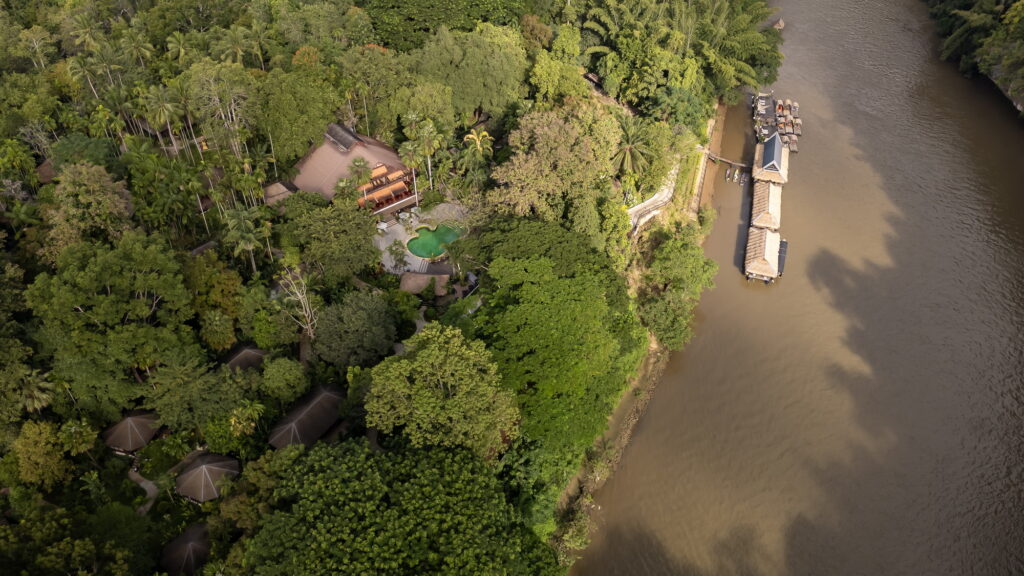
The transition into River Kwai Resotel begins at the private Phutakien Pier, where guests board a traditional long-tail boat for a scenic 10-minute voyage upstream along the Kwai Noi River. This river journey acts as a vital transition—physically and mentally unplugging travelers from the chaotic outside world. Upon arrival, the resort reveals itself as a hidden sanctuary, nestled seamlessly beneath the shade of centuries-old tropical trees and framed by majestic limestone cliffs.
- Harmonious Wooden Chalet Architecture: The resort features 99 individual private wooden chalets crafted from local timber and sustainable natural materials. The roofs are thatched with traditional local grasses, ensuring exceptional natural thermal insulation that keeps chalet interiors refreshingly cool throughout the day. The interior aesthetics emphasize refined, understated elegance, incorporating warm earth tones and subtle regional artistic touches. Each chalet opens onto a private, spacious outdoor balcony where guests can immerse themselves in literature, sip herbal tea, and listen to the therapeutic sounds of flowing water and jungle birdsong in complete privacy.
- Profound Restful & Restorative Experiences: Enveloped within the oxygen-rich, ozone-pure environment of western Thailand’s primary tropical forests, River Kwai Resotel is a destination where nature functions as the ultimate healer. Following an active morning trekking through historical trails or exploring the Mon village, guests can indulge in traditional Thai therapeutic massages and herbal oil body treatments at the riverside spa pavilion. Walking through the resort’s curated botanical gardens or meditating by the riverbank naturally dissolves accumulated urban fatigue, recalibrating the nervous system and restoring physical and mental vitality at a cellular level.
Authoritative Travel Guide: Preparation, Logistics, and Cultural Decorum
To ensure your cultural and natural exploration of the Kwai Noi River valley is seamless, safe, and deeply respectful of local heritage (Responsible Tourism), we present the following authoritative preparation guidelines:
1. Sartorial Decorum and Essential Expedition Gear
- Attire for Mon Village and Temple Visits: Modest, respectful attire is mandatory when visiting sacred spaces and traditional community settlements. Both men and women should wear shirts with sleeves (collared shirts or respectful t-shirts). Trousers or skirts must extend below the knee. Avoid tight-fitting activewear, sleeveless singlets, cropped tops, or sheer fabrics. Footwear must be removed before crossing the threshold into the Mon temple vihara or entering any private village residence.
- Footwear for Terrain Navigation: Equip yourself with sturdy trail running trainers or hiking shoes featuring high-grip rubber outsoles. The walking paths at Hellfire Pass and the limestone surfaces inside Lawa Cave can be uneven, rocky, and naturally damp.
- Environmental Protection: The tropical wilderness can be warm and humid during peak afternoon hours. Carry a wide-brimmed sun hat, UV-protective sunglasses, reef-safe sunscreen, and eco-friendly botanical insect repellent (such as citronella spray) to protect against mosquitoes without introducing harmful synthetics into the delicate river ecosystem.
2. Photography Etiquette and Community Engagement
- Maintain a calm, polite demeanor when walking through the Mon village. Speak in subdued tones to respect the peaceful daily routine of the local inhabitants.
- Always seek polite permission—either verbally or with a respectful smile and nod—before photographing village residents, artisans at work, or Buddhist monks. Avoid intrusive close-up photography that may invade personal space, and strictly refrain from using flash photography inside dark limestone caves or historic temple interiors.
- Support the local circular economy by purchasing handmade crafts, woven bamboo goods, or traditional textiles directly from community artisans. Your expenditure directly supports village households and incentivizes the preservation of traditional craftsmanship.
3. Transit Logistics and Optimal Seasons
- Seasonal Dynamics: The Kwai Noi River valley offers distinct natural charm year-round. The Green Season (June to October) transforms the forest into a vibrant emerald paradise with rushing waterfalls and cool breezes. The Cool Season (November to February) brings crisp, comfortable temperatures and breathtaking morning mists hovering over the river surface.
- Reaching the Sanctuary: From Bangkok, travel by private vehicle takes approximately 2.5 to 3 hours heading west along Highway 323 toward Sai Yok district, Kanchanaburi. Park your vehicle safely at Phutakien Pier (Resotel Pier), the resort’s secure private landing featuring 24-hour security. From there, board the resort’s complimentary long-tail boat for the scenic 10-minute upstream transfer directly into the peaceful embrace of River Kwai Resotel.
The Conclusion of a Memorable Journey
Traveling to the Kwai Noi River valley to experience the living heritage of the Mon people is far more than a conventional sightseeing excursion; it is an enriching journey into simplicity, environmental reverence, and spiritual devotion. Combining these profound cultural discoveries with a refined stay at River Kwai Resotel—where warm hospitality, environmental sustainability, and Quiet Luxury converge under the leadership of the SERENATA Hotels & Resorts Group—ensures an experience that nourishes the intellect, rejuvenates the soul, and transforms your holiday into a truly “Memorable Journey” that will resonate for a lifetime.
Experience authentic riverine heritage and refined quiet luxury. Reserve your riverside chalet today at: www.riverkwairesotel.net