
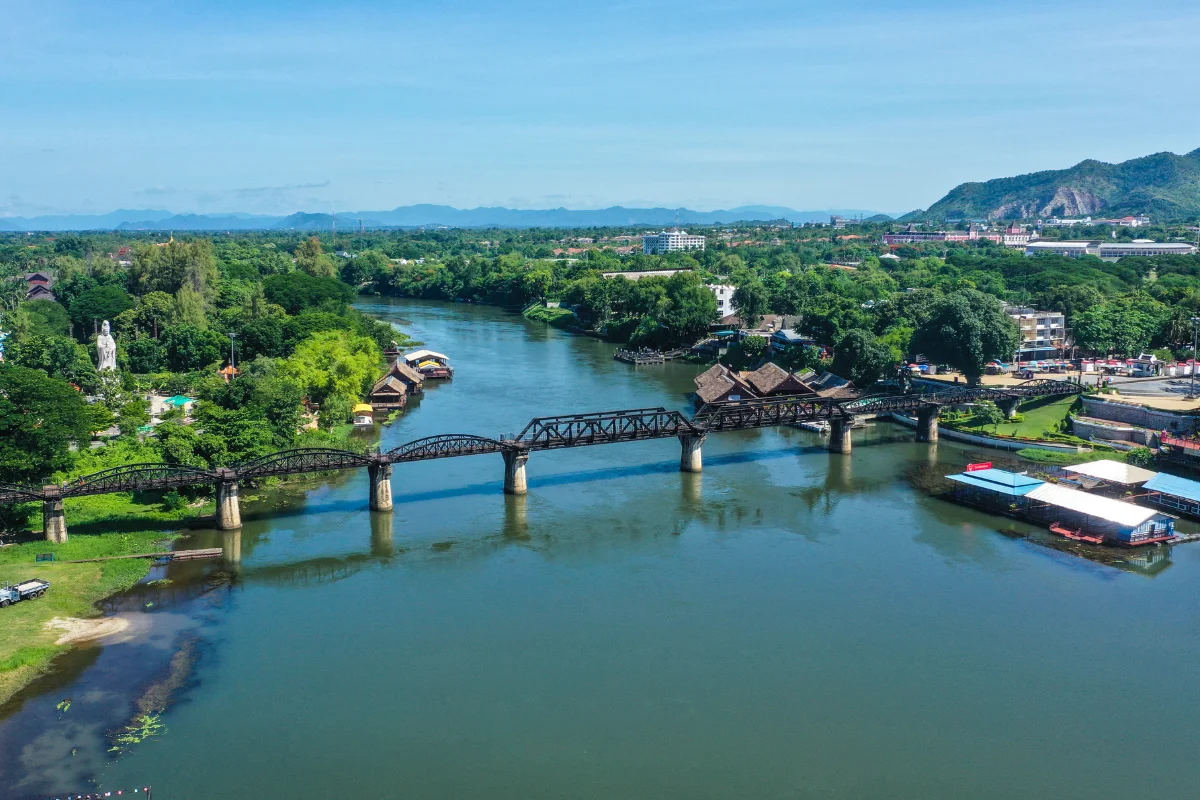
Of all the historical symbols defining Thailand’s complex past, the “Bridge over the River Kwai” in Kanchanaburi remains the most evocative. For travelers worldwide, it is a definitive landmark—not merely a steel structure spanning a river, but a living memorial that narrates the tragic stories of wartime sacrifice, human endurance, and the enduring hope for peace. Surrounded today by the serene, unspoiled beauty of the western forests, a visit to this iconic site offers a profound journey that bridges historical enlightenment with an intimate appreciation for Thailand’s natural splendor.
To elevate your historical exploration into a deeper, more refined retreat, we invite you to anchor your visit at River Kwai Resotel—a boutique riverside sanctuary embraced by lush tropical forests and dramatic limestone cliffs. Operated by the SERENATA Hotels & Resorts Group, this distinguished property beautifully embodies the “Quiet Luxury” philosophy, delivering a serene, sophisticated, and thoughtful environment. Grounded in our heritage as eco-lodge pioneers since 1976, we are dedicated to providing truly Restful & Restorative Experiences, living our brand motto: “Beyond Stay, Memorable Journey.”
Historical Records: The Bridge and the Death Railway
The Bridge over the River Kwai is a pivotal component of the strategic railway built by the Imperial Japanese Army during World War II. Designed to connect Thailand with Myanmar, the railway was intended as a logistical artery to transport armaments, provisions, and troops for the invasion of India. This formidable project is infamously documented as the “Death Railway.” Spanning over 415 kilometers from Nong Pladuk in Ratchaburi Province to Thanbyuzayat in Myanmar, the railway was constructed under harrowing conditions.
The grim historical record notes that Allied prisoners of war—primarily from Britain, Australia, the Netherlands, and the United States—alongside hundreds of thousands of Asian laborers, were conscripted to construct the trackage amidst catastrophic environments. Starvation, debilitating tropical diseases, and extreme brutality defined the ordeal, resulting in a staggering loss of life that earned the railway its macabre moniker. Today, the iconic curved steel bridge serves as a powerful reminder of this sacrifice, urging current and future generations to cherish the value of global peace.
In 1945, the bridge was bombed by Allied air forces, resulting in significant structural collapse. Following the war, the bridge underwent comprehensive reconstruction and remains a primary pilgrimage point for international travelers seeking to witness its engineering legacy and historical weight.
Unmissable Historical & Cultural Experiences in Kanchanaburi
Visiting the Bridge over the River Kwai is merely the starting point for a comprehensive exploration of the region’s profound historical and natural depth:
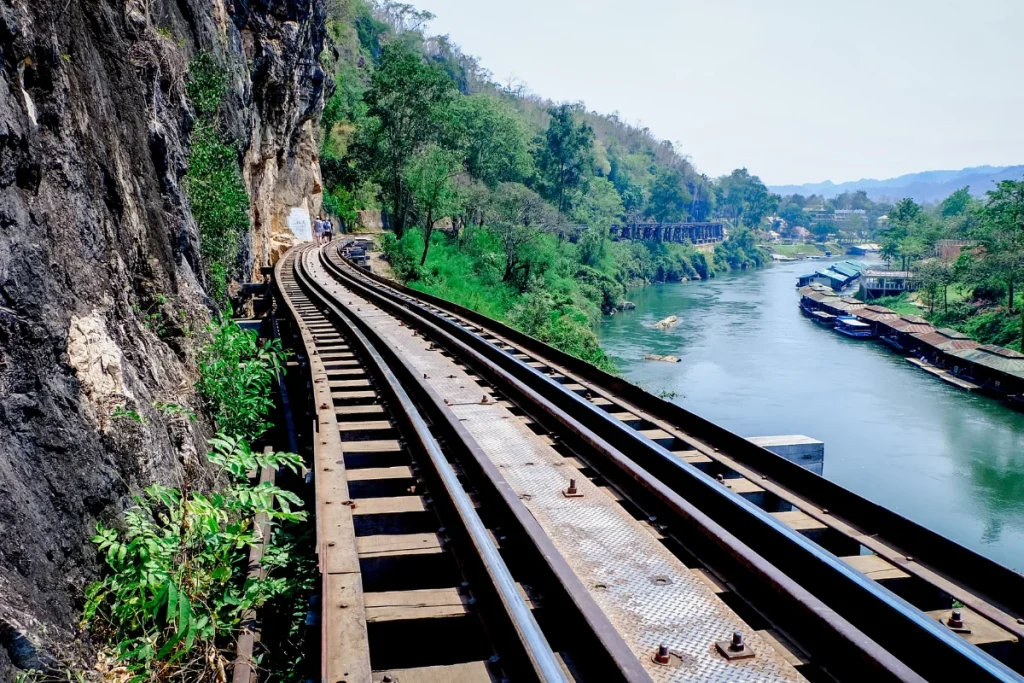
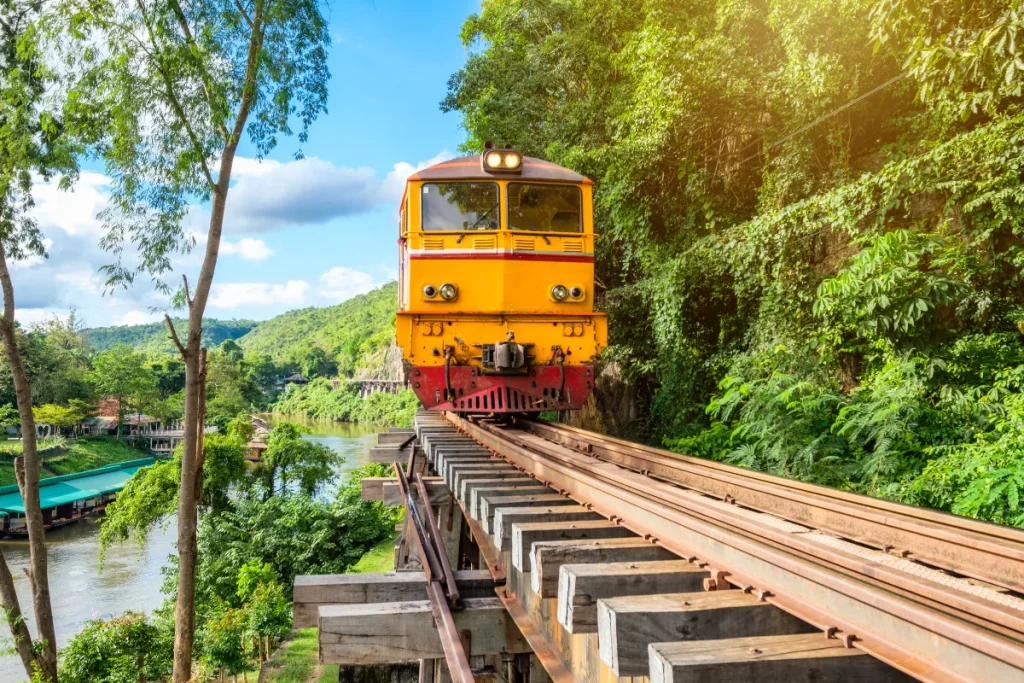
- Historic Train Journeys: Visitors are strongly encouraged to purchase tickets to traverse the bridge by rail. Continuing the journey toward the Krasae Cave station allows travelers to experience the most scenic and exhilarating stretch of the Death Railway, where the tracks hug the sheer vertical cliff face directly above the river.
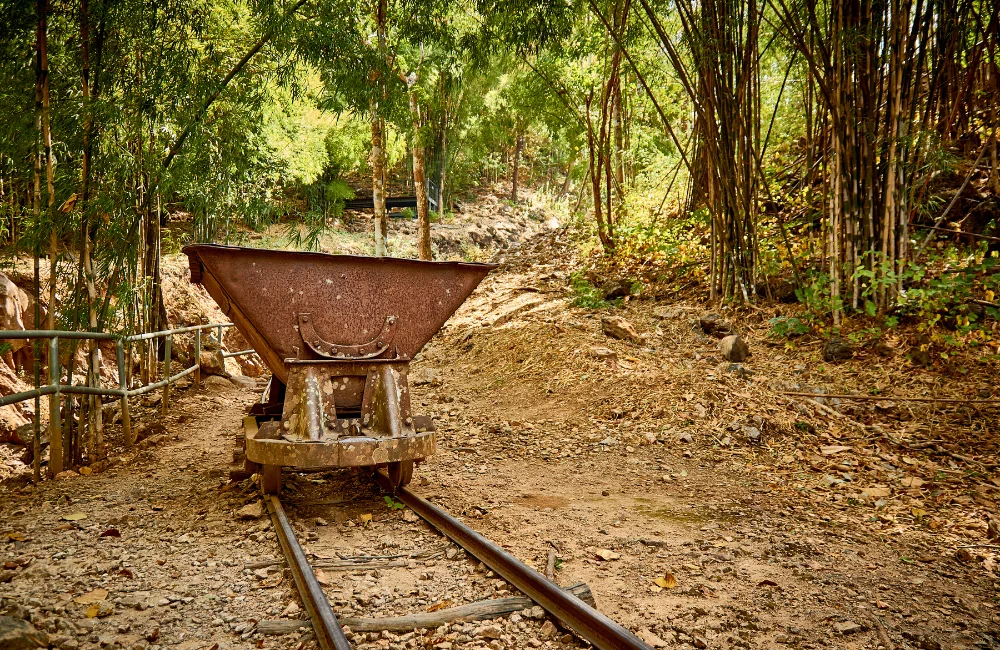
- WWII Memorial Museums: The surrounding area houses several informative museums that meticulously curate evidence of the wartime ordeal. These sites exhibit original rail construction tools, wartime artifacts, and rare archival photography, providing essential historical context to ensure a deeply educational experience.
- River Kwai Bridge Week: Commencing in late November and extending through early December, the province commemorates its history during “River Kwai Bridge Week.” This annual event features spectacular light-and-sound performances that dramatize the wartime bombings, serving as both a tribute to the past and a celebration of contemporary peace.
Harmonizing History with Refined Comfort at River Kwai Resotel
If visiting the Bridge over the River Kwai is a voyage into the past, then retreating to River Kwai Resotel is a return to a peaceful, private present. The resort is situated in the Sai Yok district, an area of unparalleled historical and environmental significance.
- Mon Heritage & Riverine Life: River Kwai Resotel is positioned in immediate proximity to traditional Mon settlements. Guests are afforded unique opportunities to witness a riverine lifestyle where ancient customs, traditional bamboo architecture, and a profound respect for the river remain central to daily existence—a rare glimpse into authentic cultural heritage.
- The Quiet Luxury Experience: The resort features private individual chalets designed to harmonize with the tropical landscape. Constructed from local timber and sustainable materials, the chalets fuse contemporary architectural standards with the refined, understated aesthetics of Quiet Luxury. This environment is meticulously crafted to foster Restful & Restorative Experiences, providing a private sanctuary where guests can recharge both body and mind.
- Tamarind Restaurant: Experience an Authentic Thai Culinary Journey. The restaurant specializes in regional delicacies prepared using the freshest ingredients sourced directly from the river and surrounding forest. Indulge in signature dishes such as clear, aromatic Tom Yum Kang Fish—featuring wild-harvested redtail catfish—while gazing upon the timeless, flowing waters of the Kwai Noi River.
Authoritative Travel Guide: Preparation and Visitor Etiquette
To ensure your historical and cultural exploration of the Kwai Noi River remains seamless, respectful, and dignified, please observe the following guidelines:
- Sartorial Decorum: While touring historical landmarks and religious sites, attire should be respectful and modest. Shoulders and knees should be covered, particularly if you plan to pay respects at local temples along the Death Railway route.
- Optimal Travel Seasons: Kanchanaburi is magnificent year-round; however, the “Cool Season” (November through February) offers the most comfortable temperatures for walking tours and historical site exploration, free from the heat of the summer months.
- Respecting Memorial Sites: The Bridge over the River Kwai is a memorial to immense human suffering. Visitors are expected to maintain a quiet, respectful demeanor at all times, ensuring that your behavior honors the memory of those who perished.
- Logistics: The province is easily accessible from Bangkok via private car or rail. For guests arriving at River Kwai Resotel, we recommend driving to our secure, 24-hour monitored Phutakien Pier (Resotel Pier). From there, board the resort’s private long-tail boat for a refreshing, exclusive upstream transfer into the peaceful heart of the resort.
Visiting Kanchanaburi is a journey that seamlessly fuses moving historical narratives with breathtaking natural serenity. Choosing to stay at River Kwai Resotel—under the prestigious SERENATA umbrella—ensures that your historical tour is anchored in sophistication, profound comfort, and memories that will resonate long after you depart.
Reserve your riverside sanctuary steeped in history today at: www.riverkwairesotel.net